Durable Floor Coverings: Considerations for Areas of Heavy Footfall
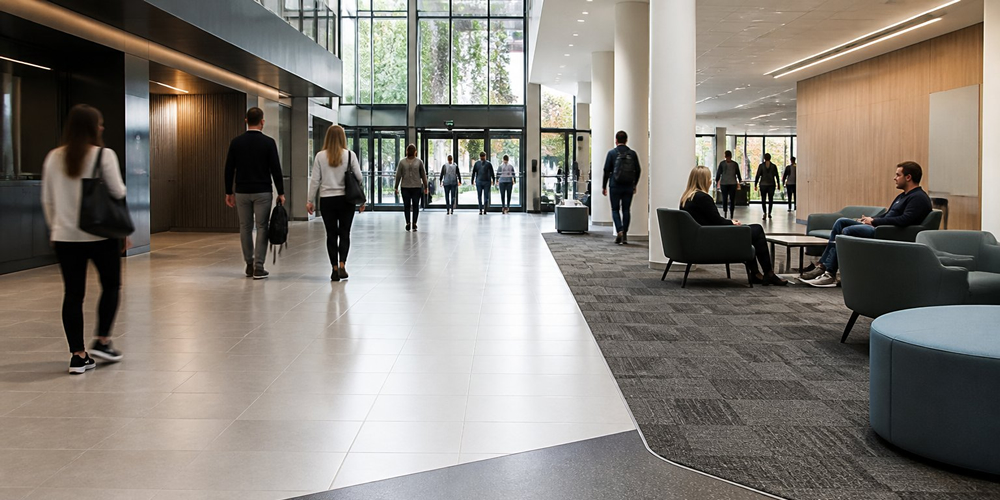
Busy shops, offices, and public buildings put floors through a lot. Every day, foot traffic wears down surfaces, and heavy use can leave scuffs, scratches, and dull patches if you pick the wrong material. The most durable flooring options for high-traffic areas include porcelain tile, luxury vinyl tile (LVT), polished concrete, and commercial-grade rubber—these materials hold up much better against wear, moisture, and daily impact than most alternatives.
Choosing commercial flooring isn’t just about style. You’ve got to think about how the floor deals with trolleys, spills, cleaning routines, and constant use—while still looking good and staying safe.
This guide highlights flooring types that really hold up under pressure, so you can pick something that keeps your space looking sharp and performing well for years.
How to Assess Flooring Durability
Durability isn’t just one thing. It’s a mix: how well a floor stands up to wear, damage, moisture, and slipping, plus how it copes with weight from furniture, trolleys, and equipment.
Abrasion, Impact and Indentation Resistance
Abrasion resistance tells you how a floor handles everyday scuffs from feet, grit, and dragged furniture. Check for a wear layer thickness on the product spec sheet—a thicker layer usually means it’ll survive longer under constant use.
Impact resistance matters where tools or heavy items might get dropped—think workshops or kitchens. If a floor can’t handle impact, it might crack or chip after just one bad hit.
Indentation resistance is key if you’re putting heavy furniture, shelving, or machinery on the floor. Softer materials can dent and never really recover, so check the manufacturer’s indentation rating before fitting anything in areas with static loads.
Moisture, Stain and Chemical Resistance
Water resistance protects your floor from spills, mopping, and damp conditions. That’s especially important in kitchens, bathrooms, entrances, and any space exposed to wet weather.
Stain resistance keeps spills, oils, and dirt from soaking into the surface. If a floor can’t resist stains, you’ll notice discolouration, even after cleaning.
Chemical resistance is a must in places like labs, workshops, or commercial kitchens, where cleaning products or oils might hit the floor. Some materials, like epoxy and porcelain, shrug off chemical exposure, while others just don’t. Always check the manufacturer’s info about which chemicals a floor can handle before using it in these settings.
Slip Resistance and Safety Requirements
Slip resistance is measured with a slip rating—it tells you how safe a floor is when wet or dry. Higher ratings mean better grip and fewer falls.
Safety flooring is made for this. It usually has a textured or slightly raised surface to help with grip, even in areas that get wet or messy.
You should focus on slip resistance in:
- Entrances and exits where rain or mud gets tracked in
- Kitchens and food prep areas
- Bathrooms and washrooms
- Corridors and stairways with heavy footfall
Always double-check that the slip rating meets your local building or health and safety standards for the space you’re flooring.
Rolling Loads and Point Loads
Rolling loads come from trolleys, wheeled chairs, carts, and all sorts of equipment moving across the floor. If a floor can’t handle rolling loads, you’ll get wear, dents, or cracks, especially along busy routes.
Point loads are different—they’re the concentrated weight from furniture legs or machinery feet. Even a small point load can damage a floor if it doesn’t have enough indentation resistance.
When you’re checking flooring for rolling or point loads, dig into the manufacturer’s load ratings and test data. This is particularly important in commercial or industrial spaces where equipment gets moved around a lot.
Top Flooring Materials for Demanding Premises
Five flooring types really stand out in spaces with heavy footfall. Each handles wear differently, so your best bet depends on traffic, budget, and how you use the space.
Polished Concrete
Polished concrete is your slab, ground down and hardened instead of covered up. Diamond abrasives smooth the surface, and a silicate hardener seals it so it resists scuffs, spills, and heavy loads.
It’s a strong option for warehouses, retail units, and factory floors. Installation runs £2–£9 per square foot, and it can last 20–40 years with minimal upkeep.
The main downsides? It feels hard underfoot and can get slippery when wet unless you add a slip-resistant treatment. Expect to re-polish every few years if you want to keep that shine going.
Epoxy and Resinous Flooring Systems
Epoxy flooring gives you a seamless, chemical-resistant surface right on top of your concrete slab. It stands up to oils, acids, and heavy impacts, so it’s common in garages, food production areas, and hospitals.
You can mix in quartz or flakes for extra grip and a more decorative finish. Installed costs run £3–£12 per square foot, with thicker quartz systems at the higher end.
A well-installed epoxy floor can last 10–20 years. But installation is everything—if you skip moisture testing or surface prep, the coating might peel off.
Through-Body Porcelain Tile
Porcelain tile is denser than standard ceramic and barely absorbs water, which helps it resist cracking and stains. Look for PEI Class 4 or 5 tiles—those are made for busy commercial spaces.
You’ll spot porcelain tiles in hotels, shopping centres, and restaurants, where looks and toughness both matter. Installed costs are £5–£16 per square foot, and a well-laid floor can go 30–50 years.
There are a few catches. Porcelain is hard underfoot, grout lines need regular cleaning, and dropped objects can chip tiles. The upside? You can usually replace a single tile without redoing the whole floor.
Commercial-Grade Luxury Vinyl
Luxury vinyl flooring—think LVT and luxury vinyl plank—offers a warmer, quieter alternative to tile or concrete. For commercial use, pick a product with at least a 20 mil wear layer. Thinner options just don’t last under heavy traffic.
Some vinyl plank uses a rigid SPC core, which shrugs off dents better than standard vinyl. That’s a real plus in spaces with rolling carts, chairs, or loads of foot traffic.
| Feature | Detail |
|---|---|
| Wear layer | 20–40 mil for commercial use |
| Installation | Glue-down for high traffic |
| Cost | £2–£6 per square foot |
| Lifespan | 10–20 years |
You’ll find commercial-grade luxury vinyl tiles in offices, care homes, and shops—places where comfort and durability both matter.
Rubber and Safety Flooring
Rubber flooring is great where slip resistance and shock absorption are priorities—gyms, kitchens, play areas. It stays grippy even when wet and absorbs the impact from dropped objects or heavy use.
Costs are £3–£9 per square foot, and a good rubber floor lasts 15–30 years if you look after it.
There are some trade-offs. Rubber flooring doesn’t offer as many design options as tile or vinyl, and some chemicals can stain it. You might notice a bit of an odour at first, but that usually fades within a few weeks.
Choosing Tile for High-Wear and Wet Zones
Tile is one of the toughest floor coverings out there, but pick the wrong grade and you’ll end up with cracks, stains, or slippery surfaces in no time. You’ve got to check wear ratings, water absorption, and slip performance before you buy—then match grout and layout to the space.
PEI Ratings and Surface Wear
The PEI rating tells you how well a tile’s surface will handle foot traffic. It goes from PEI 0 to PEI 5, and honestly, it’s the first thing you should check when comparing tiles.
For heavy footfall—shopping centres, hospitals, busy offices—you want at least PEI 4. That grade is built for daily traffic and won’t show scratches or dull as fast as lower grades.
PEI 5 tiles are even tougher and work well in spots with abrasive dirt, grit, or constant heavy use—public entrances or industrial units. Don’t even think about using anything below PEI 3 in a commercial setting; those are for light domestic use and wear out fast.
Water Absorption and Porcelain Density
Water absorption matters just as much as surface wear, especially in wet zones like commercial kitchens, changing rooms, or bathrooms. Lower numbers always mean better performance.
Porcelain tile is denser and fired hotter than standard ceramic, so its water absorption rate is below 0.5%. That makes it way less likely to crack from freeze-thaw cycles or trapped moisture.
Ceramic tile, on the other hand, absorbs more water and is better for dry, low-traffic areas—not wet or heavy-use spots. If you’re fitting floors in commercial kitchens or anywhere with regular water, porcelain’s the safer bet.
Don’t forget to check the slip rating along with water absorption—a dense tile that’s too smooth can still be a hazard when wet.
Grout, Movement Joints and Replaceable Tiles
Grout choice can make or break the longevity of your floor, right alongside the tile itself. In commercial kitchens or food prep areas, epoxy grout is the go-to—not just because it resists chemicals and stains, but it’s also less likely to harbour bacteria compared to standard cement-based grout.
Movement joints are one of those details that seem small until you skip them. On big or high-traffic floors, these joints let the surface flex with temperature changes, which helps prevent tiles from cracking or lifting as the building shifts and settles.
And here’s something people often forget: plan for replaceable tiles from the outset. Keeping a stash of matching spares means you can swap out damaged tiles without tearing up the whole floor—saving a lot of hassle, not to mention money, down the line.
Selecting Resilient Flooring for Comfort and Fast Repairs
Resilient flooring is a favourite in busy spaces because it’s got a bit of give and stands up to repeated traffic. The wear layer, installation style, and comfort features all factor into how long the floor lasts—and how much of a headache it is to fix when something goes wrong.
Wear Layer Requirements for LVT and LVP
The wear layer is that clear topcoat on luxury vinyl tile and plank—it’s what keeps the design underneath safe from scratches and stains.
If you’re dealing with lots of footfall, aim for at least a 0.5mm wear layer. For really busy places, 0.7mm or more is a safer bet. A thicker wear layer means:
- Less denting from trolleys and furniture
- Better water resistance, especially near entrances or spill-prone spots
- Longer lifespan before you need to think about replacing the surface
Sure, thinner wear layers cost less upfront, but they’ll wear out faster in busy corridors. Always check the manufacturer’s warranty—it’s usually a decent indicator of how much abuse the floor can take.
Glue-Down Versus Floating Installation
Glue-down LVT gets bonded right to the subfloor, which is ideal if you’re expecting heavy trolleys or rolling loads. It keeps everything locked in place.
Floating vinyl planks, on the other hand, just click together over an underlayment—no glue needed. It’s quicker to install and makes it easier to access the subfloor for repairs or inspections.
| Factor | Glue-Down | Floating |
|---|---|---|
| Stability under heavy loads | Higher | Lower |
| Installation speed | Slower | Faster |
| Subfloor prep needed | More | Less |
| Ease of future removal | Harder | Easier |
The right option really depends on subfloor condition, the kind of traffic you’ll see, and how often you might need to get under the floor for repairs.
Acoustics, Comfort and Localised Replacement
Resilient flooring tends to absorb sound better than hard tile or stone, which is a relief in places where people are on their feet for hours. Adding an underlayment ramps up both comfort and sound absorption, especially with floating floors.
One of the underrated perks of LVT and LVP: if a tile or plank gets damaged, you can lift and replace just that part—no need to redo the whole floor. That keeps repair costs down and avoids shutting down big sections of your space.
Carpet tiles offer similar repair flexibility in spots like fitting rooms, where comfort is a bigger deal than water resistance. For spill-prone or heavily cleaned areas, though, resilient flooring is still the safer bet.
Matching the Floor to the Building Type
Every building has its own set of demands for flooring, depending on who’s walking around, what’s getting spilled, and how intense the cleaning is. Hospitals need to focus on hygiene, schools are all about durability, and kitchens can’t compromise on slip resistance. It’s always a balancing act.
Healthcare, Clinics and Hospitals
In hospitals and clinics, hygiene is non-negotiable. The floor needs to stand up to constant disinfecting and shouldn’t trap bacteria in seams or joints.
Sheet vinyl and rubber flooring are top picks because you can heat-weld them for a seamless, waterproof surface. That’s crucial in places where spills, wheelchairs, and medical trolleys are everywhere.
Safety flooring with a textured surface helps prevent slips, especially in wet areas like bathrooms. Acoustic performance is worth thinking about too—rubber and cushioned vinyl keep things quieter, which makes wards and waiting rooms a bit less stressful.
Schools, Airports and Public Corridors
Schools and airports have one thing in common: endless foot traffic, with people hauling bags and gear all day. You really need flooring that shrugs off scuffs, scratches, and heavy loads—without constant repairs.
What tends to work best?
- Polished concrete or terrazzo – takes years of punishment with barely a mark
- Commercial-grade vinyl or LVT – budget-friendly and easy to patch
- Rubber flooring – soaks up impact and noise in busy corridors
Slip resistance is a must at entrances, especially when wet weather brings in water on shoes or luggage. And don’t forget fire safety ratings—those are a given in public buildings.
Retail Entrances and Busy Sales Floors
Retail entrances take a beating from trolleys, prams, and a steady stream of shoppers. The surface needs to keep its look and colour despite all the grit and dirt tracked in.
Luxury vinyl tile (LVT) and porcelain tile are both popular on sales floors—they look good and handle wear. For entrance areas, safety flooring with anti-slip properties is a smart move, especially when things get wet.
Being able to swap out a single damaged tile without closing the whole shop is a huge plus in retail. Anything that keeps downtime to a minimum is worth considering.
Commercial Kitchens and Service Areas
Commercial kitchens are tough environments—grease, water, heat, and staff rushing around all day. You need flooring with top-notch slip resistance because spilled liquids and oils are just part of the job.
Quarry tiles and textured safety vinyl are the standards here. Both stand up well to heavy-duty cleaning with hot water and chemicals.
Drainage and slope can’t be ignored either; kitchens often need floors that direct water away from work zones. Rubber flooring isn’t common in hot, greasy kitchens, but it works in nearby service corridors where those hazards aren’t as intense.
Installation Factors That Determine Service Life
Even the toughest floor can fail early if what’s underneath isn’t right. Subfloor condition, moisture content, and movement gaps all have a real impact on how long your floor holds up.
Moisture Testing and Damp Protection
Moisture is probably the number one cause of flooring problems. Too much moisture in the slab leads to bubbling, staining, or adhesive breakdown—none of which you want to deal with.
Testing for moisture before installation is a must, not something to skip and hope for the best. The right testing method depends on your flooring, so always check the manufacturer’s instructions and stick to the relevant British Standard.
If readings are too high, you’ve got options: wait for the slab to dry, use a damp-proof membrane, or pick a more water-resistant floor covering. Skipping this step? That’s just setting yourself up for expensive fixes later on.
Subfloor Flatness and Substrate Preparation
The subfloor needs to be flat, clean, and solid before you lay anything new. Uneven spots lead to hollow sounds, cracking, or visible lips between tiles and planks.
Prep should include checking for cracks, leftover adhesive, and any loose or damaged patches. Use a straight edge to check flatness—manufacturers usually have a max tolerance for dips and bumps, and it’s worth sticking to it.
High-traffic areas are especially unforgiving of a sloppy subfloor. If you rush this step, you’ll be dealing with loose tiles or planks sooner than you’d like. A bit more effort now saves a lot of trouble later.
Underlayments, Levelling Compounds and Expansion Gaps
Once the subfloor’s sorted, you might need an underlayment or self-levelling compound to get things perfectly smooth. Self-levelling compounds fill in dips, giving you a solid base for whatever flooring you’re installing.
The right underlayment depends on your chosen material. Some floors need a built-in moisture barrier; others need extra cushioning for comfort or sound control.
Don’t forget expansion gaps around the room’s edges. Floors expand and contract with temperature and humidity changes, and without those gaps, you risk buckling or cracking. Skirting boards or trim can hide the gaps while letting the floor move as needed.
Maintenance and Whole-Life Cost Considerations
The floor you choose is just the beginning. How you clean, protect, and budget for it over the years really determines how well it holds up.
Daily Soil Control and Damp Mopping
Grit and dust are the silent killers—they act like sandpaper, grinding away the finish with every step.
Daily sweeping or vacuuming gets rid of loose debris before it can do any harm. Follow that with damp mopping, using a cleaner that actually matches your flooring type.
No floor is immune if you let grit build up. And stains? Those need quick attention—spills can seep into grout or porous surfaces if you’re not on top of them. Wipe them up as soon as you spot them.
For commercial spaces with heavy use, it’s smart to set a cleaning schedule based on actual footfall. Some areas might need a once-over two or three times a day to keep things looking good.
Preventing Damage at Entrances and Traffic Routes
Entrances really do take a beating. Grit, moisture, and all sorts of outdoor debris hitch a ride inside on shoes and trolley wheels, then get tracked right across your floor.
Barrier matting at every entrance is a must. You want at least three or four metres—enough to catch most of the dirt before it even thinks about reaching the main flooring.
Corridors, reception desks, lift lobbies—anywhere people move between key areas—need extra help too. A few ideas:
- Walk-off mats in corridors from car parks or loading bays can make a big difference.
- Corner guards where trolleys or equipment make sharp turns—absolutely worth it.
- Protective coatings in zones with heavy rolling loads. Not glamorous, but practical.
Balancing Flooring Cost Against Total Cost of Ownership
Upfront flooring costs can be pretty misleading. Sometimes that bargain material ends up costing more in the long run—especially once you factor in extra labour, disruption, and downtime from frequent replacements.
Total cost of ownership is what really matters: installation, cleaning, repairs, and how often you’ll need to replace it. Terrazzo, for example, is pricey at first but can last decades with barely any fuss. Carpet tiles? Cheaper to install, but you might be swapping them out every few years in high-traffic spots.
To get a fair comparison, look at the cost per year of use—not just the price per square metre. That’s the only way to see which option actually saves you money in the long haul.
| Factor | Low Upfront Cost | High Upfront Cost |
|---|---|---|
| Replacement frequency | Higher | Lower |
| Maintenance demands | Often higher | Often lower |
| Lifespan | Shorter | Longer |
When Wood Flooring Is Appropriate
Wood flooring can work in heavy footfall areas, but it’s definitely not a fit for every space. It really depends on things like moisture, risk of impact, and how much maintenance you’re ready to take on.
Hardwood Flooring in Premium Low-Moisture Areas
Solid hardwood is a good call where you’ve got plenty of people coming through but things stay dry—think hotel lobbies, offices, or retail spaces with well-controlled climates.
It looks sharp and, with proper care, can last for decades. Scratches and dents are inevitable, but you can sand and refinish the surface to bring it back to life.
It’s a solid long-term investment, even if the initial spend is a bit higher. But steer clear of using hardwood near entrances or anywhere that gets wet—moisture can really mess with it, causing warping and swelling.
Engineered Hardwood for Improved Stability
Engineered hardwood is a bit more forgiving than solid wood. It’s built from several layers of wood, topped with a hardwood veneer.
This layered design makes it more stable when temperatures and humidity bounce around during the day. It tends to hold up better in busy commercial settings—shops or communal buildings, for example—where solid wood might expand or shrink too much.
The downside? The top veneer is thinner than a solid hardwood plank, so you can only refinish it a handful of times before you hit the limit. Not quite as long-lasting under relentless use, but still a strong contender for a lot of spaces.
Limitations in Wet and High-Impact Environments
Wood flooring—solid or engineered—just doesn’t handle wet or high-impact areas well. Water resistance? Honestly, that’s a big Achilles’ heel. Spills, leaks, or even a bit of lingering dampness can make the boards swell, warp, or stain if you don’t catch them fast enough.
And let’s talk about impact. Drop a tool, drag furniture, or just have a lot of folks stomping around in hard-soled shoes, and you’ll probably end up with dents that are tough to disguise.
If you’re dealing with places like warehouses, busy kitchens, or entryways that get hit with a lot of weather, you’re probably better off skipping wood. It really shines when you can keep moisture in check and avoid too much heavy-duty abuse.