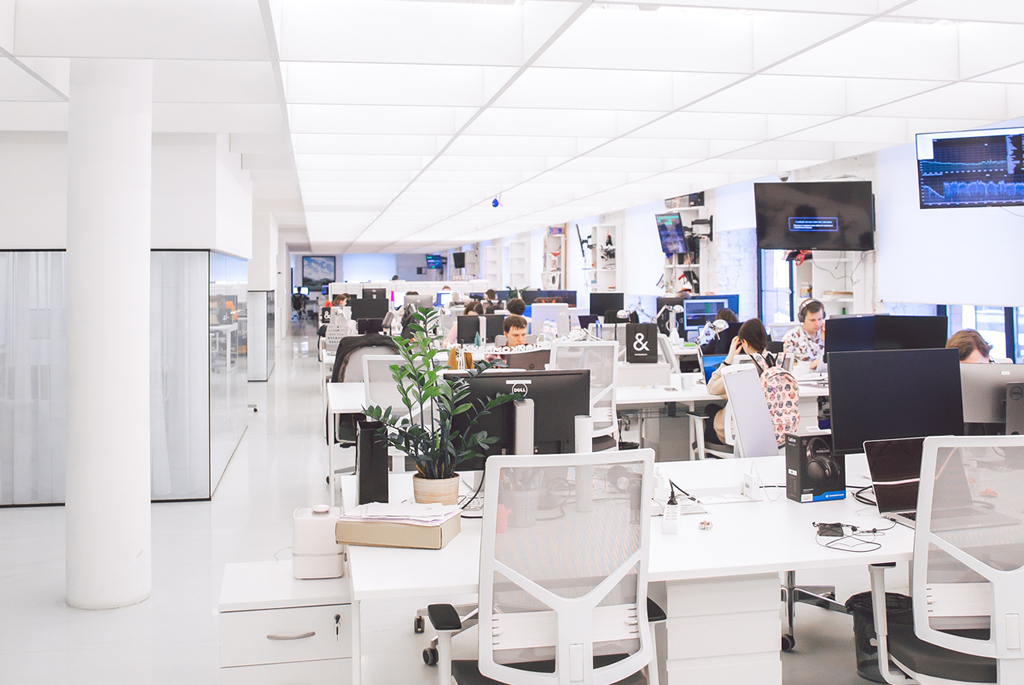
The Benefits of Good Lighting in Your Office

Effective lighting in the office workplace goes far beyond mere illumination.

It plays a crucial role in enhancing productivity, promoting well-being, and creating a conducive environment for employees.

In this post, we will delve into the benefits of good lighting and how it can positively impact the overall performance and satisfaction of employees.

Boosts Productivity and Focus

Proper lighting is essential for maintaining optimal focus and productivity.

Well-lit workspaces reduce eye strain and fatigue, allowing employees to stay alert and engaged for longer periods.

Adequate task lighting on individual workstations ensures clear visibility of documents, screens, and other materials, enhancing accuracy and efficiency.

By minimising visual discomfort and distractions, good lighting enables employees to concentrate on their tasks and complete them more effectively.

Enhances Mood and Well-Being

Quality lighting has a significant impact on employees’ mood and overall well-being.

Natural light, in particular, has been proven to elevate moods, reduce stress levels, and increase serotonin production.

Incorporating large windows, skylights, or daylight-mimicking lighting systems brings in ample natural light, creating a more pleasant and invigorating work environment.

Not only that, well-balanced artificial lighting that mimics natural light helps regulate circadian rhythms, promoting better sleep patterns and overall health among employees.

Supports Visual Comfort and Safety

Appropriate lighting levels and distribution minimise eye strain, headaches, and discomfort caused by glare and flickering.

By providing uniform illumination across the workspace, good lighting ensures that employees can see clearly without straining their eyes.

Moreover, proper lighting helps prevent accidents and improves safety by reducing the risk of tripping, bumping into objects, or making errors due to poor visibility.

Reinforces Brand Image and Aesthetics

Well-designed lighting can contribute to the overall aesthetics of an office, creating a visually appealing and professional ambiance.

By carefully selecting lighting fixtures, colours, and intensity, businesses can reinforce their brand image and create a memorable impression on clients, visitors, and employees alike.

Thoughtfully designed lighting can also highlight architectural features, artwork, and signage, adding a touch of sophistication and elevating the overall visual appeal of the workspace.

Supports Energy Efficiency and Sustainability

Implementing energy-efficient lighting solutions not only reduces environmental impact but also contributes to long-term cost savings.

LED lighting, for instance, consumes significantly less energy and has a longer lifespan compared to traditional lighting options.

Installing motion sensors and automatic dimmers can further optimise energy usage by adjusting lighting levels based on occupancy and natural light availability.

By prioritising sustainable lighting practices, businesses demonstrate their commitment to environmental responsibility while reaping the financial benefits of reduced energy consumption.

Investing in good lighting is a crucial aspect of creating a productive and employee-friendly office environment; by prioritising lighting in office design and maintenance, businesses can create a harmonious and vibrant workspace that inspires and empowers their workforce.

Read more

The Importance of Ergonomics in Your Office Design

In today’s fast-paced modern office environment, employees spend a significant amount of time seated at their desks.

This sedentary lifestyle can lead to various health issues, affecting productivity and overall well-being.

As a result, incorporating ergonomics into your office design is essential to create a workspace that promotes employee health, comfort, and productivity.

We’re exploring the importance of adding ergonomics to your office design and the benefits it brings to both employees and the business.

Employee Health and Well-being

Ergonomics focus on designing the workplace to fit the needs of the workers, reducing the risk of musculoskeletal disorders and promoting overall well-being.

By incorporating ergonomic principles into office design, you can provide employees with comfortable and supportive workstations.

Ergonomic chairs, adjustable desks, and proper monitor positioning help maintain correct posture, reduce strain on the neck, back, and wrists, and minimize the risk of repetitive strain injuries.

This proactive approach to employee health leads to increased job satisfaction, reduced sick days, and improved overall physical well-being.

Boosts Productivity and Performance

A well-designed ergonomic workspace has a direct impact on employee productivity and performance.

When employees are comfortable and free from pain or discomfort, they can focus more effectively on their tasks.

Ergonomic office furniture and equipment allows for improved concentration, faster task completion, and increased accuracy in their work, by investing in ergonomics, you create an environment that facilitates optimal performance and efficiency.

Prevents Work-Related Injuries and Absence

Work-related injuries and illnesses not only impact employee health but also result in increased costs for businesses due to lost productivity and sick pay in some cases.

Ergonomics play a vital role in preventing injuries and absence of employees, with properly designed workstations and equipment reduce the risk of strain, exhaustion and repetitive motion injuries.

By addressing potential ergonomic hazards, such as awkward postures or inadequate lighting, you create a safe and healthy work environment that reduces the likelihood of work-related injuries and absence.

Improving Employee Engagement and Satisfaction

Employees appreciate when their employers prioritise their well-being and invest in their comfort.

Incorporating ergonomics into office design lets your employees know that you have made a commitment to their health and job satisfaction.

This will make your employees feel valued and supported which will see their engagement and loyalty to the business increase, creating a space people want to work in and a business that retains its talent.

Attracting and Retaining Talent

In today’s highly competitive job market, attracting and retaining top talent is crucial for your business’ success.

A well-designed ergonomic office can serve as a competitive advantage over rival companies in your area, as candidates are becoming increasingly aware of the importance of a healthy work environment when evaluating job opportunities.

By prioritising ergonomics, you send a clear message to prospective employees about your commitment to creating a conducive workspace that supports employee well-being, which in turn can help attract high-calibre talent and improve employee retention rates.

Incorporating ergonomics into your office design is not just a trend; it is a crucial investment in the well-being and productivity of your employees – creating a healthier and more productive workplace for your employees allows you to develop a more successful business overall.

Read more

Do you need an office floor plan?

When it comes to designing or renovating an office space, one crucial aspect that often gets overlooked is the office floor plan.

A well-thought-out floor plan can greatly impact your workplace’s productivity, collaboration, and overall efficiency.

In this article, we will explore the reasons why having an office floor plan is essential and how it can benefit your business.

Maximising Space

An office floor plan allows you to optimise the use of available space effectively.

By carefully planning the layout, you can ensure that each area is utilised efficiently, minimising wasted space and avoiding clutter.

It is important to consider the specific needs of your business, such as the number of employees, workstations, meeting rooms, and communal areas, to helps you make the most of your square footage and create a functional and productive office.

Promoting Collaboration and Communication

An office floor plan plays a crucial role in fostering collaboration and communication among employees.

By strategically positioning workstations, communal areas, and meeting spaces, you can encourage spontaneous interactions, idea sharing, and teamwork.

Open-plan layouts with shared workspaces, collaborative zones, or breakout areas can facilitate easy communication and enhance a sense of community among employees, which is why it has become one of the most popular office design styles in modern business.

Enhancing Workflow and Efficiency

An efficient office floor plan can streamline workflows and enhance overall productivity in your employees on a daily basis.

By considering the flow of work and the processes involved, you can design a layout that minimises unnecessary movement.

Assessing the workflow of different departments or teams and creating a floor plan that supports their specific needs is essential and will make your employees working experience much better.

Creating a Positive and Functional Environment

The physical environment of an office greatly impacts employee well-being and job satisfaction.

An office floor plan allows you to create a space that is aesthetically pleasing, functional, and conducive to productivity.

You will need to consider factors such as natural light, ventilation, noise control, and ergonomic design when planning the layout, as a well-designed office environment can improve employee morale, reduce stress levels, and contribute to a positive culture.

Adapting to Changing Demands

An office floor plan provides flexibility to adapt to the changing needs of your business as it grows and develops.

You may, one day, need to reconfigure the workspace or accommodate new employees and the growth of your business.

As a result, a well-thought-out floor plan allows for easy modifications, such as adding or relocating partitions, adjusting workstations, or repurposing areas.

Efficient Use of Technology and Infrastructure

Every modern office will rely on technology and infrastructure to support daily operations.

An office floor plan helps you plan the positioning of electrical outlets, network connections, and other infrastructure requirements.

By strategically placing these resources, you can ensure easy access to technology for all employees and reduce the need for unsightly cables or extensions, this will significantly improve efficiency and minimises potential disruptions.

An office floor plan is a fundamental element in creating a productive, collaborative, and efficient workspace.

Whether you are setting up a new office or renovating an existing one, investing time and effort into creating a well-designed floor plan will have long-term benefits, contributing to the success of your business and the satisfaction of your employees.

Read more

Involving employees in the office design process

Creating a productive and engaging office environment is a key objective for any modern business.

In the modern workplace, there has been a shift towards involving employees in the office design process, recognising the value of their input and the impact it can have on their well-being, productivity, and overall job satisfaction.

By actively engaging employees in the office design process, your business can empower people, promote collaboration, and create spaces that truly cater to their needs.

We’re exploring the benefits and strategies of involving employees in the office design process.

Enhanced Employee Satisfaction and Engagement

When employees are given the opportunity to contribute to the office design process, it instils a sense of ownership and empowerment.

By involving them from the beginning, their unique perspectives, preferences, and needs are taken into consideration, resulting in a workspace that resonates with their values.

This sense of ownership leads to higher levels of job satisfaction and engagement, as employees feel valued and connected to their work environment, which can positively impact overall productivity, retention rates, and employee well-being.

Improved Functionality and Efficiency

No one understands the daily running and workflow of a company better than its employees.

By involving them in the office design process, organisations can tap into this valuable knowledge and gain insights into how to optimise the workspace for improved functionality and efficiency.

Employees can provide feedback on existing weaknesses in the office, offer suggestions for layout, and identify areas that require immediate attention.

Collaboration and Communication

Collaboration and communication are essential elements of a successful work environment.

When employees are involved in the office design process, they can actively contribute to creating spaces that facilitate interaction, teamwork, and idea sharing.

By incorporating their input on collaborative areas, meeting spaces, and common areas, organisations can create an environment that encourages collaboration and nurtures a sense of community, which can boost creativity, problem-solving, and overall team dynamics.

Tailored Spaces for Diverse Work Styles

Every employee has unique work preferences and styles, so involving employee in the office design process it can help your business to build a high functioning office space that benefits everyone.

Some employees may prefer quiet, private areas for focused work, while others thrive in open, collaborative environments.

By understanding these preferences, your business can incorporate a variety of workstations, breakout areas, and flexible spaces to accommodate different work styles.

Strengthening Organisation

The physical workspace plays a significant role in shaping and reflecting the culture you want your business to grow with.

Involving employees in the office design process helps create a sense of community and strengthens the company’s culture, as when employees feel that their opinions are valued and their needs are considered, they develop a stronger connection with the business they work for.

Having a personalised working experience can often improve retention of talent as employees will feel valued and a part of the development of the business.

Read more

Optimising your office space for hybrid working

The concept of hybrid working, where employees divide their time between working remotely and in the office, has become increasingly popular in recent years.

As businesses adapt to this flexible work model, it is essential to optimise office spaces to accommodate the needs of hybrid workers.

By creating a functional, collaborative, and inspiring environment, businesses can maximise productivity, foster teamwork, and support employee well-being, we’re sharing our top tips…

Reconfigure Layouts for Collaboration

One of the key objectives when optimising office space for hybrid working is to facilitate collaboration among team members.

Consider incorporating flexible layouts that promote interaction and teamwork and create collaborative zones with comfortable seating, whiteboards, and audio-visual equipment, allowing employees to brainstorm and exchange ideas.

Additionally, open-plan workstations with adjustable partitions can provide privacy when needed while still encouraging spontaneous collaboration.

Implement Agile Workstations

Hybrid working entails a more fluid approach to work, where employees have the freedom to choose where they work within the office.

Provide hot desks or shared workstations equipped with ergonomic furniture, adjustable chairs, and adequate power outlets for easy connectivity.

Consider implementing reservation systems or digital tools to enable employees to book their workstations in advance, ensuring a seamless transition between remote and in-office work.

Upgrade Technology Infrastructure

To support hybrid working effectively, investing in modern and reliable technology infrastructure is crucial.

Ensure that the office space is equipped with high-speed internet, robust Wi-Fi coverage, and video conferencing capabilities.

Set up conference rooms with large displays, high-quality audio, and video conferencing equipment to facilitate virtual meetings and collaborations with remote team members.

You could also consider implementing cloud-based collaboration tools and project management platforms to enable seamless communication and document sharing.

A well-equipped technology infrastructure enables hybrid workers to stay connected, collaborate efficiently, and remain productive.

Create Flexible Meeting Spaces

Meetings are an essential part of any work environment, and creating flexible meeting spaces is vital for hybrid working.

Design meeting areas that accommodate different group sizes, equipped with interactive displays, video conferencing facilities, and comfortable seating arrangements.

These spaces should support both in-person and virtual meetings, allowing remote employees to participate actively and enhances seamless communication to ensure nothing is missed and everybody is on the same page.

Focus on Employee Well-being

Employee well-being should be a top priority when optimising office spaces for hybrid working.

Create dedicated spaces for relaxation, such as comfortable breakout areas or wellness rooms. Incorporate natural lighting, plants, and ergonomic furniture to promote a healthy and stress-free work environment.

Encouraging regular breaks and social interactions by incorporating communal areas such as cafeterias or recreational spaces helps to improve well-being and in turn, improves productivity as employees will have a space to fully recharge during long working days.

Optimising your office space for hybrid working is essential for creating a productive, collaborative, and employee-centric work environment.

The key is to strike a balance between supporting collaboration and providing individual spaces for focused work, so investing in thoughtful design and creating a flexible, inclusive workspace, helps you to empower your employees to thrive in the era of hybrid working.

Read more

Four considerations ahead of your office refurbishment

If you are in the process of planning a refurbishment of your office space it can be an extremely exciting time for your business and employees.

An office refurbishment should not be done on half measures – careful planning and considerations must be taken in the process of bringing your dream office to life in the most efficient and high quality manner.

It can be overwhelming to not only plan the structure of your office design but to also deal with everything that comes with a refurbishment including investment, contractor selection and timescales.

We’re sharing some of the considerations you will need to make ahead of your office refurbishment going ahead…

What are the weaknesses of your current space?

The first thing you should be considering when you are in the process of planning an office refurbishment is the elements of your space that you are looking to improve.

You can gather a general idea of what is the common consensus from employees who work in the office daily and take note of the struggles or irritants they face in their current set-up.

This will help you to build on your ideas and create a working environment that improves the productivity and motivation of employees, addressing the weaknesses of your office design will only increase employee satisfaction and ultimately, make their working day more productive.

What office furniture do you need?

Considering what path to take on office furniture will be important and help you budget better when it comes to committing finances to the refurbishment.

Maybe you want to keep some of the current furniture, upcycle and redesign your furniture or completely scrap the lot and start a fresh by upgrading to new furniture.

If you do opt to purchase all new furniture, it’s important to scale up just how many of each piece you will need and whether it will fit into the vision of your new office design.

When is the best time for your business to refurbish?

It’s all well and good having a watertight set of design plans if your business cannot commit the time to allow a full-scale refurbishment to unfold in the office.

Luckily, post-pandemic many companies would have already made it possible for their employees to work remotely, so this could be a viable option to maintain the level of work that needs to be completed without large disruption.

If you do not have the facilities for your employees to work away from the office then you will need to carefully map out how you can refurbish around the daily runnings of your business to minimise distraction.

Breaking down your office design plans and designating dates for each area can help you to ensure the office can remain open and safe for employees to work in.

Choosing a office fit-out company

Probably the most important consideration you need to make ahead of your office refurbishment going ahead is choosing the right fit-out company to work with your business and bring to life all of your ideas.

Carefully researching your options and getting quotes from a number of different fit-out companies can help you to come to an educated decision to work with only the best contractors, as well as giving you an average pricing guideline and timescale too.

Read more

The importance of acoustics in the office

The modern office is a busy and bustling environment which can provide a sense of community for employees over their working day but can become too much if the acoustics of your office are poor.

High volumes of noise have been proven to detrimental to the productivity, motivation and wellbeing of employees and in worse cases can contribute to the lack of growth and development of your business due to the chaotic nature of the working environment your employees are trying to complete important tasks in.

Noise pollution can come in many forms from telephones constantly ringing to overcrowding in certain areas of the office and ultimately your office design can be the cause of these issues you are facing.

We are sharing the importance of improving your acoustics in the office…

Reduces stress levels

Improving your acoustics with better office design strategy can reduce stress levels significantly and improve the wellbeing of your employees.

Noisy environments can make it extremely difficult for people to concentrate, focus and complete their tasks to the best of their ability, often leading to people making mistakes or not able to meet deadlines efficiently which in turn affects the rate your business is working at.

Reducing the noise levels will create a much more high-functioning office space and provide a welcoming environment for clients and employees.

Improving office confidentiality and privacy

It is incredibly important to create a working environment that has the right balance of collaboration and confidentiality.

Although open plan office design promotes the ease of communication it can compromise one of the most important elements to getting the balance right when it comes to more sensitive and private information that every business has.

Using partitions and panelling to improve the acoustics of your office and reduce noise pollution can also help you to improve the confidential and private parts of your business that provide a place where employees can feel comfortable to work on or communicate sensitive information over their working day.

Improving the safety of your employees

Working in a loud and chaotic environment can mean that people can miss communications that are important to their safety and wellbeing.

Avoiding accidents and injury in the workplace should be a top priority for all businesses, however, if your employees are unable to clearly communicate with each other this increases the risk of mistakes and accidents occurring which can be a real problem for your business and compromising of a safe working environment.

How can you improve the acoustics with office design?

There are many ways you can improve the office acoustics with simple tweaks and changes to your office design, including..

  • The use of partitions and panelling across your open plan office.
  • Careful arrangement and improved seating plans to spread out employees to avoid large volumes of noise from overcrowding.
  • Dedicated quiet areas so that those who are not working on collaborative projects can comfortably complete their work in an independent setting.
  • Believe it or not plants are sound-absorbing and can help to improve the noise pollution in your office, so adding more greenery can not only be an aesthetically pleasing addition but also improve the acoustics.
Read more

The Benefits of Designing an Inclusive Workspace

The Benefits of Designing an Inclusive Workspace

If you are looking for a way that your business can stand out and attract the top talent in your industry in 2023, designing an office space that is all-inclusive is the best way to stand out from the crowd.
(more…)

Read more

Incorporating Sustainability in Your Office Refurbishment

Sustainability in Office Design

Businesses are becoming increasingly conscious of their responsibility to reduce their carbon footprint to protect the planet and create a better environment around us for the future.
(more…)

Read more

Should You Refurbish Your Workspace in 2023?

Should You Refurbish Your Workspace in 2023?

Office refurbishments can be a huge investment of your money and time but the benefits can be unlimited and the possibilities are endless when reaping the rewards of freshening up your business workspace.
(more…)

Read more