The benefits of intelligent office design

The traditional office landscape is rapidly evolving, and intelligent office design is at the forefront of this transformation.

In today’s competitive business environment, companies are increasingly recognising that a well-designed workspace can have a profound impact on productivity, creativity, and employee well-being.

In this article, we’ll explore the numerous benefits of intelligent office design and how it can revolutionise the way we work.

Boosted Productivity

One of the primary advantages of intelligent office design is its ability to boost productivity.

By carefully planning the layout, lighting, and ergonomics of a workspace, employees can work more efficiently.

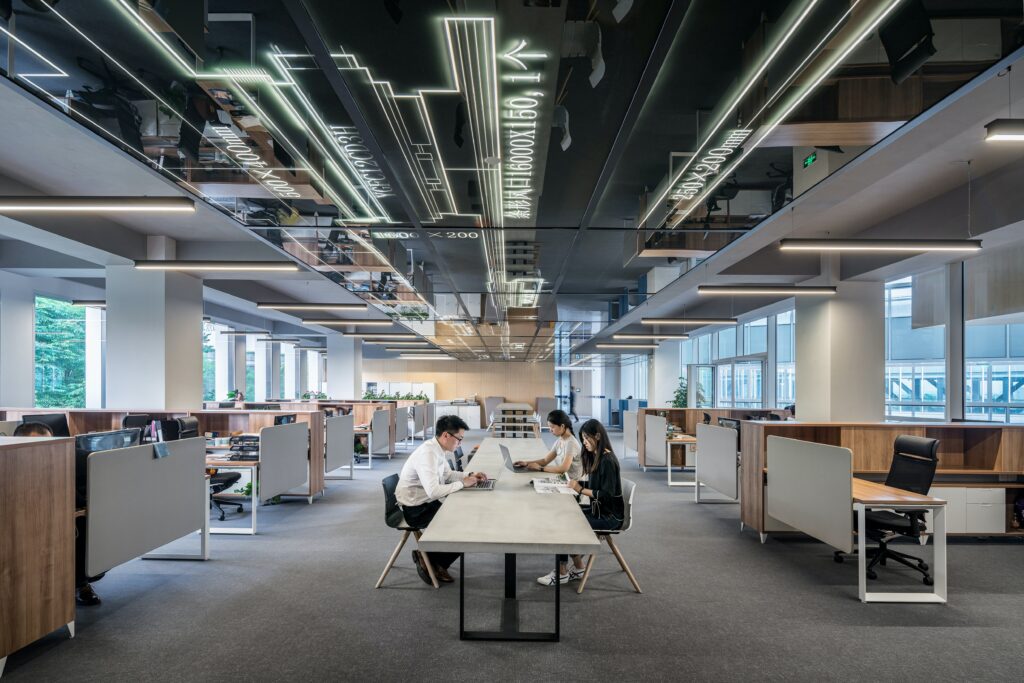
Open floor plans with designated collaborative spaces encourage teamwork, while quiet zones provide opportunities for focused, uninterrupted work.

The design also considers factors like natural light, temperature control, and noise reduction, all of which contribute to a more conducive work environment.

Enhanced Collaboration

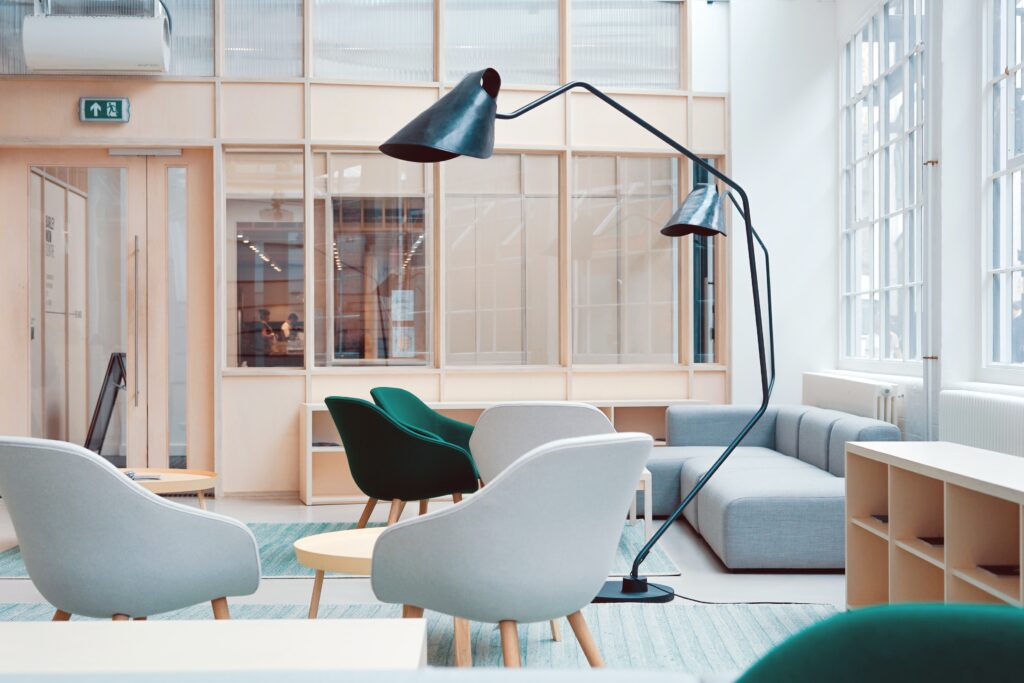
Intelligent office design promotes collaboration by creating spaces that foster interaction and idea-sharing among employees.

Collaborative workstations, meeting rooms, and communal areas encourage spontaneous discussions and brainstorming sessions.

This can lead to improved teamwork, innovative solutions, and a more dynamic work culture.

Improved Employee Well-Being

Employee well-being is a top priority for forward-thinking organisations.

Intelligent office design prioritises the physical and mental health of employees.

This includes ergonomic furniture, adjustable sit-stand desks, and comfortable seating arrangements.

Additionally, incorporating elements of biophilic design, such as indoor plants and natural materials, can reduce stress and improve overall well-being.

Talent Attraction and Retention

A thoughtfully designed office space can be a powerful recruitment and retention tool.

Potential employees are more likely to be attracted to a company that invests in creating an appealing and comfortable workspace.

Likewise, existing employees are more likely to stay with an organisation that prioritises their working conditions and provides a pleasant environment.

Increased Sustainability

Intelligent office design often goes hand in hand with sustainability.

Energy-efficient lighting, smart climate control systems, and the use of eco-friendly materials can significantly reduce the environmental impact of an office space.

This not only helps companies meet their sustainability goals but also contributes to a positive corporate image.

Flexible Work Arrangements

The rise of remote work and flexible work arrangements has made adaptability a key consideration in office design.

Intelligent office layouts can accommodate a variety of work styles and preferences.

Modular furniture and movable partitions allow for easy reconfiguration of the workspace to suit changing needs, whether it’s for hot-desking, remote work, or project-specific teams.

Enhanced Brand Identity

The design of your office can serve as a physical representation of your brand identity and company culture.

It can create a lasting impression on clients, partners, and visitors.

An intelligently designed office can reinforce your brand values and leave a positive impact on those who interact with your organisation.

Intelligent office design is not just a trend; it’s a strategic investment in the success of a company.

In an era where the line between work and life is increasingly blurred, an intelligently designed office becomes a place where employees thrive, grow, and contribute their best to the success of the company.

Read more

Smart Solutions: Dealing with Surplus Office Space

With the changing dynamics of the modern workplace, many businesses are finding themselves with surplus office space.

Whether it’s due to the rise in remote work, downsizing, or a shift to more flexible office arrangements, empty desks and underutilised offices can be a financial burden.

However, rather than letting this space go to waste, there are several smart ways to deal with surplus office space effectively.

Rent Out Space

One of the most straightforward ways to offset the costs of surplus office space is to sublease or rent it out to other businesses.

This can be a win-win situation, as it not only generates additional income but also helps other companies find affordable office space. Ensure that the sublease agreements are legally sound and address responsibilities like maintenance, utilities, and security.

Create a Flexible Workspace

Incorporating flexibility into your office layout can help you make the most of your space.

Consider implementing a hot-desking system, where employees don’t have assigned desks but can choose a workspace based on their daily needs.

This encourages collaboration and allows you to reduce the overall footprint of your office, utilising it more efficiently.

Convert to Meeting and Collaboration Spaces

Transform surplus office space into functional meeting rooms, collaboration areas, or conference facilities.

In today’s collaborative work environment, well-designed meeting spaces are always in demand.

Equip them with the latest technology and comfortable furnishings to make them appealing and conducive to productive meetings.

Embrace Co-Working

If you’re open to sharing your office space with other businesses or freelancers, consider creating a co-working environment within your premises.

This trend has gained popularity in recent years and can be a lucrative way to maximise your unused space.

Co-working spaces often foster a vibrant community and can generate additional income through memberships or rental fees.

Use it for Storage

If your surplus space is not suitable for personnel, it can still serve a valuable purpose.

Convert it into storage areas for office supplies, archived documents, or inventory; properly organised storage space can declutter your main workspace and improve overall efficiency.

Explore Revenue Streams

Get creative with your surplus space by exploring alternative revenue streams.

For instance, you can rent it out for events, workshops, or training sessions.

Hosting events not only generates extra income but also promotes networking opportunities and strengthens your business’s presence in the community.

Consider Subletting to Start-ups

Start-ups often require affordable office spaces to launch their businesses.

By subletting to start-ups, you can help foster entrepreneurship in your community while earning rental income.

Keep in mind that start-ups may need additional support, so consider offering mentorship or shared resources as part of the package.

Surplus office space doesn’t have to be a financial drain; it can be an opportunity waiting to be tapped.

By taking a proactive approach and implementing one or more of these strategies, you can make the most of your unused space, reduce overhead costs, and potentially generate additional income.

Embracing flexibility and creativity in your approach to surplus office space can lead to a more efficient, dynamic, and cost-effective workplace.

Read more

Utilising Glass In Your Office Design

frameless-glass-office-partitioning-1

In the past, the potential of glass in office design was often overlooked, but its popularity is now surging as modern office designers increasingly embrace its versatility.

With advancements in glass manufacturing, there are countless options for incorporating glass in office interiors, offering both aesthetic and functional benefits to workspaces.

Glazed partitions, skylight windows, and glass walls have become commonplace in modern offices and have been embraced in office design due to studies on Biophilia, revealing the positive impact of optimising natural light and surroundings on employee productivity and work quality.

Prominent companies are thriving by maintaining a connection with the outside world through large windows and glass exterior walls, which continue to shape office design.

Utilising glass in office spaces not only fosters a connection with nature but also creates an illusion of increased space due to the way light can travel through glass walls, windows, and doors.

So, what are the benefits of incorporating glass in your office design?

Amplifying Natural Light

Glass’s popularity stems from its ability to increase natural light in the office.

Numerous studies have proven the significant benefits of natural light on employee well-being, productivity, and motivation, making it a crucial aspect of a high-functioning team.

Creating an Open Design

Glass offers the advantage of creating an open design, contributing to the illusion of more space.

Using glass for interior and exterior walls, doors, partitioning, and stairwells can extend the visual space and promote a more open and inviting working environment, particularly beneficial for smaller offices prone to feeling cramped.

Timeless & Modern Appeal

Glass is incredibly versatile, and its manufacturing advancements make it readily available for various design needs.

It complements any office environment seamlessly, fitting into different design concepts and budgets, with numerous ways to incorporate and personalise glass, it can cater to the demands and needs of any working environment.

For a high-quality office redesign or refurbishment, Redditch Partitions is the ideal partner – from meticulous planning to expertly furnishing your office, we have extensive experience in crafting office designs that truly work.

Read more

Buying Office Furniture: Things To Avoid

breakout room table and chairs

Purchasing office furniture can be a complex process, requiring a clear vision of your needs and the right furniture choices for your business.

To help you avoid common mistakes, we’ve outlined some key considerations for a successful furniture-buying experience.

Size and Measurements

One prevalent mistake during office refurbishment is underestimating the required furniture size or incorrectly gauging the space available.

Ensuring accurate measurements and projections are made before purchasing furniture is essential to saving both time and money during the fit-out process – taking these precautions will result in a comfortable and efficient office layout.

Purchasing Enough Office Furniture

Not procuring enough desks and chairs to accommodate your workforce can lead to frustration and delays in completing your office fit-out.

It’s crucial to buy furniture that aligns with your plans and anticipated growth – if your business is expected to expand, considering additional furniture for future employees is a prudent approach.

Budget Identification

Having a clear understanding of your budget is vital for successful office furniture purchases, failing to do so can lead to unexpected financial constraints.

To avoid this, thoroughly assess the amount you are willing to spend and the furniture you want to buy, by researching prices and obtaining quotes from office furniture companies will aid in creating a suitable budget.

Prioritising Ergonomics

While saving money is important, compromising on ergonomics when selecting furniture is unwise.

Prioritising comfortable and supportive furniture for your workforce should take precedence over tight budgets, and investing in ergonomic furniture will not only enhance employee well-being but also boost productivity and reduce sick days caused by strains and injuries.

At Redditch Partitions, we understand that buying office furniture can be daunting. Our team can assist you in developing a comprehensive understanding of your requirements and expected costs.

With our expertise and support, you can confidently refurbish or fit out your office space, ensuring a comfortable and productive environment for your employees.

Read more

Open Plan Office Design: The Pros & Cons

The rising popularity of open-plan office spaces in modern office design is evident, but weighing the pros and cons before implementing this layout in your workspace is crucial.

Advantages of Open Plan Office Spaces:

One of the main reasons behind the popularity of open-plan office spaces is the absence of enclosed rooms, resulting in a seamless flow of the office layout with workstations positioned closely and separated only by partitions or screens.

This openness fosters a collaborative environment that enhances communication among employees. However, it’s important to address potential issues, such as noise levels that can impact productivity and concentration.

Employee Benefits:

The absence of physical barriers in an open plan design promotes regular and easy interactions among employees, fostering a sense of togetherness in the workforce.

Teamwork is also encouraged, allowing for smooth information exchange and providing colleagues with the flexibility to seek assistance or advice without the formality of booking meeting rooms – this informal setting facilitates frequent interactions among employees.

Business Benefits:

Open plan office designs encourage employee collaboration, leading to improved work quality and increased innovation.

Additionally, this layout can reduce building expenses by minimising the need for additional equipment and structures. A single workspace results in reduced heating and air conditioning costs over time and better airflow.

Sharing resources, like staplers, copiers, and printers, becomes easier in open-plan office spaces, leading to cost savings.

Employee Challenges:

Open-plan office spaces may present some challenges for employees, but they can be mitigated with appropriate solutions.

Higher noise levels in such designs can lead to increased distractions and difficulty in concentration.

Privacy and confidentiality may also be compromised, as computer screens and telephone conversations are visible and audible to everyone.

Employers can address these issues by incorporating partitions that maintain the open plan design while providing privacy and reducing noise pollution.

Business Challenges:

The business challenges of open plan offices are primarily related to potential decreases in employee productivity, which can impact overall output.

Additionally, the lack of privacy and confidentiality might lead to ethical and legal issues concerning colleagues or clients.

However, these challenges can be overcome by choosing suitable office furniture and layouts that minimise disruptions without sacrificing the advantages of an open plan design.

In conclusion, open plan office spaces offer several benefits, including enhanced collaboration and cost savings.

However, it’s essential to consider and address potential drawbacks like noise levels and privacy concerns to create a productive and efficient working environment for employees and the business as a whole.

Read more

Navigating Change: Managing the Transition for Employees After an Office Refurbishment

Undergoing an office refurbishment is an exciting opportunity for businesses to enhance their workspace and improve employee experiences.

However, managing the transition for employees post-refurbishment is crucial to ensure a smooth and successful change.

In this blog post, we will explore effective strategies and tips for guiding employees through the transition period and creating a positive and productive work environment.

Communication is Key

Open and transparent communication is paramount during the transition phase.

Keep employees informed about the refurbishment progress, timelines, and any changes that may impact their daily routines.

Utilise various channels, such as emails, meetings or newsletters, to disseminate information.

Encourage feedback and address any concerns or questions promptly; by building a culture of communication and inclusivity, employees will feel engaged and involved in the transition process.

Plan for Employee Involvement

Involve employees in the office refurbishment process to promote ownership and a sense of belonging.

Seek their input on design elements, furniture choices, or layout preferences.

Consider organising focus groups or surveys to gather feedback and preferences, as this collaborative approach ensures that the new workspace meets the needs and expectations of employees, fostering a positive attitude towards change.

Provide Orientation and Training

After the refurbishment, offer orientation sessions to familiarise employees with the new layout, facilities, and any updated technologies.

Provide training if necessary, especially for new equipment or changes in processes.

This will enable employees to adapt quickly and feel confident in their new surroundings, minimising any potential disruptions to their workflow.

Create a Positive and Supportive Culture

Encourage a supportive and positive culture throughout the transition period.

Recognise and appreciate employees’ adaptability and patience during the refurbishment.

Implement team-building activities or social events to help foster connections and re-establish camaraderie among colleagues.

Promote a culture of mutual support and encourage employees to share their experiences and suggestions for optimising the new workspace.

Seek Employee Feedback and Continuously Improve

Regularly seek employee feedback on the new office environment, its functionality, and any areas for improvement.

This feedback can help identify potential issues or adjustments that need to be addressed.

Consider establishing a feedback mechanism, such as suggestion boxes or online platforms, where employees can share their thoughts and suggestions anonymously.

Actively listen to their input and implement changes whenever possible, demonstrating that their opinions are valued and contribute to an ongoing improvement process.

Evaluate the Impact and Celebrate Success

Monitor and evaluate the impact of the office refurbishment on employee satisfaction, productivity, and overall well-being.

Collect data through surveys, focus groups, or performance metrics and celebrate the successful transition and share the positive outcomes with employees.

Recognise individuals or teams who have demonstrated resilience and adaptability throughout the process.

Effectively managing the transition for employees after an office refurbishment is crucial for maintaining employee satisfaction and productivity.

Read more

The Benefits of Good Lighting in Your Office

Effective lighting in the office workplace goes far beyond mere illumination.

It plays a crucial role in enhancing productivity, promoting well-being, and creating a conducive environment for employees.

In this post, we will delve into the benefits of good lighting and how it can positively impact the overall performance and satisfaction of employees.

Boosts Productivity and Focus

Proper lighting is essential for maintaining optimal focus and productivity.

Well-lit workspaces reduce eye strain and fatigue, allowing employees to stay alert and engaged for longer periods.

Adequate task lighting on individual workstations ensures clear visibility of documents, screens, and other materials, enhancing accuracy and efficiency.

By minimising visual discomfort and distractions, good lighting enables employees to concentrate on their tasks and complete them more effectively.

Enhances Mood and Well-Being

Quality lighting has a significant impact on employees’ mood and overall well-being.

Natural light, in particular, has been proven to elevate moods, reduce stress levels, and increase serotonin production.

Incorporating large windows, skylights, or daylight-mimicking lighting systems brings in ample natural light, creating a more pleasant and invigorating work environment.

Not only that, well-balanced artificial lighting that mimics natural light helps regulate circadian rhythms, promoting better sleep patterns and overall health among employees.

Supports Visual Comfort and Safety

Appropriate lighting levels and distribution minimise eye strain, headaches, and discomfort caused by glare and flickering.

By providing uniform illumination across the workspace, good lighting ensures that employees can see clearly without straining their eyes.

Moreover, proper lighting helps prevent accidents and improves safety by reducing the risk of tripping, bumping into objects, or making errors due to poor visibility.

Reinforces Brand Image and Aesthetics

Well-designed lighting can contribute to the overall aesthetics of an office, creating a visually appealing and professional ambiance.

By carefully selecting lighting fixtures, colours, and intensity, businesses can reinforce their brand image and create a memorable impression on clients, visitors, and employees alike.

Thoughtfully designed lighting can also highlight architectural features, artwork, and signage, adding a touch of sophistication and elevating the overall visual appeal of the workspace.

Supports Energy Efficiency and Sustainability

Implementing energy-efficient lighting solutions not only reduces environmental impact but also contributes to long-term cost savings.

LED lighting, for instance, consumes significantly less energy and has a longer lifespan compared to traditional lighting options.

Installing motion sensors and automatic dimmers can further optimise energy usage by adjusting lighting levels based on occupancy and natural light availability.

By prioritising sustainable lighting practices, businesses demonstrate their commitment to environmental responsibility while reaping the financial benefits of reduced energy consumption.

Investing in good lighting is a crucial aspect of creating a productive and employee-friendly office environment; by prioritising lighting in office design and maintenance, businesses can create a harmonious and vibrant workspace that inspires and empowers their workforce.

Read more

The Importance of Ergonomics in Your Office Design

In today’s fast-paced modern office environment, employees spend a significant amount of time seated at their desks.

This sedentary lifestyle can lead to various health issues, affecting productivity and overall well-being.

As a result, incorporating ergonomics into your office design is essential to create a workspace that promotes employee health, comfort, and productivity.

We’re exploring the importance of adding ergonomics to your office design and the benefits it brings to both employees and the business.

Employee Health and Well-being

Ergonomics focus on designing the workplace to fit the needs of the workers, reducing the risk of musculoskeletal disorders and promoting overall well-being.

By incorporating ergonomic principles into office design, you can provide employees with comfortable and supportive workstations.

Ergonomic chairs, adjustable desks, and proper monitor positioning help maintain correct posture, reduce strain on the neck, back, and wrists, and minimize the risk of repetitive strain injuries.

This proactive approach to employee health leads to increased job satisfaction, reduced sick days, and improved overall physical well-being.

Boosts Productivity and Performance

A well-designed ergonomic workspace has a direct impact on employee productivity and performance.

When employees are comfortable and free from pain or discomfort, they can focus more effectively on their tasks.

Ergonomic office furniture and equipment allows for improved concentration, faster task completion, and increased accuracy in their work, by investing in ergonomics, you create an environment that facilitates optimal performance and efficiency.

Prevents Work-Related Injuries and Absence

Work-related injuries and illnesses not only impact employee health but also result in increased costs for businesses due to lost productivity and sick pay in some cases.

Ergonomics play a vital role in preventing injuries and absence of employees, with properly designed workstations and equipment reduce the risk of strain, exhaustion and repetitive motion injuries.

By addressing potential ergonomic hazards, such as awkward postures or inadequate lighting, you create a safe and healthy work environment that reduces the likelihood of work-related injuries and absence.

Improving Employee Engagement and Satisfaction

Employees appreciate when their employers prioritise their well-being and invest in their comfort.

Incorporating ergonomics into office design lets your employees know that you have made a commitment to their health and job satisfaction.

This will make your employees feel valued and supported which will see their engagement and loyalty to the business increase, creating a space people want to work in and a business that retains its talent.

Attracting and Retaining Talent

In today’s highly competitive job market, attracting and retaining top talent is crucial for your business’ success.

A well-designed ergonomic office can serve as a competitive advantage over rival companies in your area, as candidates are becoming increasingly aware of the importance of a healthy work environment when evaluating job opportunities.

By prioritising ergonomics, you send a clear message to prospective employees about your commitment to creating a conducive workspace that supports employee well-being, which in turn can help attract high-calibre talent and improve employee retention rates.

Incorporating ergonomics into your office design is not just a trend; it is a crucial investment in the well-being and productivity of your employees – creating a healthier and more productive workplace for your employees allows you to develop a more successful business overall.

Read more

Do you need an office floor plan?

When it comes to designing or renovating an office space, one crucial aspect that often gets overlooked is the office floor plan.

A well-thought-out floor plan can greatly impact your workplace’s productivity, collaboration, and overall efficiency.

In this article, we will explore the reasons why having an office floor plan is essential and how it can benefit your business.

Maximising Space

An office floor plan allows you to optimise the use of available space effectively.

By carefully planning the layout, you can ensure that each area is utilised efficiently, minimising wasted space and avoiding clutter.

It is important to consider the specific needs of your business, such as the number of employees, workstations, meeting rooms, and communal areas, to helps you make the most of your square footage and create a functional and productive office.

Promoting Collaboration and Communication

An office floor plan plays a crucial role in fostering collaboration and communication among employees.

By strategically positioning workstations, communal areas, and meeting spaces, you can encourage spontaneous interactions, idea sharing, and teamwork.

Open-plan layouts with shared workspaces, collaborative zones, or breakout areas can facilitate easy communication and enhance a sense of community among employees, which is why it has become one of the most popular office design styles in modern business.

Enhancing Workflow and Efficiency

An efficient office floor plan can streamline workflows and enhance overall productivity in your employees on a daily basis.

By considering the flow of work and the processes involved, you can design a layout that minimises unnecessary movement.

Assessing the workflow of different departments or teams and creating a floor plan that supports their specific needs is essential and will make your employees working experience much better.

Creating a Positive and Functional Environment

The physical environment of an office greatly impacts employee well-being and job satisfaction.

An office floor plan allows you to create a space that is aesthetically pleasing, functional, and conducive to productivity.

You will need to consider factors such as natural light, ventilation, noise control, and ergonomic design when planning the layout, as a well-designed office environment can improve employee morale, reduce stress levels, and contribute to a positive culture.

Adapting to Changing Demands

An office floor plan provides flexibility to adapt to the changing needs of your business as it grows and develops.

You may, one day, need to reconfigure the workspace or accommodate new employees and the growth of your business.

As a result, a well-thought-out floor plan allows for easy modifications, such as adding or relocating partitions, adjusting workstations, or repurposing areas.

Efficient Use of Technology and Infrastructure

Every modern office will rely on technology and infrastructure to support daily operations.

An office floor plan helps you plan the positioning of electrical outlets, network connections, and other infrastructure requirements.

By strategically placing these resources, you can ensure easy access to technology for all employees and reduce the need for unsightly cables or extensions, this will significantly improve efficiency and minimises potential disruptions.

An office floor plan is a fundamental element in creating a productive, collaborative, and efficient workspace.

Whether you are setting up a new office or renovating an existing one, investing time and effort into creating a well-designed floor plan will have long-term benefits, contributing to the success of your business and the satisfaction of your employees.

Read more

Involving employees in the office design process

Creating a productive and engaging office environment is a key objective for any modern business.

In the modern workplace, there has been a shift towards involving employees in the office design process, recognising the value of their input and the impact it can have on their well-being, productivity, and overall job satisfaction.

By actively engaging employees in the office design process, your business can empower people, promote collaboration, and create spaces that truly cater to their needs.

We’re exploring the benefits and strategies of involving employees in the office design process.

Enhanced Employee Satisfaction and Engagement

When employees are given the opportunity to contribute to the office design process, it instils a sense of ownership and empowerment.

By involving them from the beginning, their unique perspectives, preferences, and needs are taken into consideration, resulting in a workspace that resonates with their values.

This sense of ownership leads to higher levels of job satisfaction and engagement, as employees feel valued and connected to their work environment, which can positively impact overall productivity, retention rates, and employee well-being.

Improved Functionality and Efficiency

No one understands the daily running and workflow of a company better than its employees.

By involving them in the office design process, organisations can tap into this valuable knowledge and gain insights into how to optimise the workspace for improved functionality and efficiency.

Employees can provide feedback on existing weaknesses in the office, offer suggestions for layout, and identify areas that require immediate attention.

Collaboration and Communication

Collaboration and communication are essential elements of a successful work environment.

When employees are involved in the office design process, they can actively contribute to creating spaces that facilitate interaction, teamwork, and idea sharing.

By incorporating their input on collaborative areas, meeting spaces, and common areas, organisations can create an environment that encourages collaboration and nurtures a sense of community, which can boost creativity, problem-solving, and overall team dynamics.

Tailored Spaces for Diverse Work Styles

Every employee has unique work preferences and styles, so involving employee in the office design process it can help your business to build a high functioning office space that benefits everyone.

Some employees may prefer quiet, private areas for focused work, while others thrive in open, collaborative environments.

By understanding these preferences, your business can incorporate a variety of workstations, breakout areas, and flexible spaces to accommodate different work styles.

Strengthening Organisation

The physical workspace plays a significant role in shaping and reflecting the culture you want your business to grow with.

Involving employees in the office design process helps create a sense of community and strengthens the company’s culture, as when employees feel that their opinions are valued and their needs are considered, they develop a stronger connection with the business they work for.

Having a personalised working experience can often improve retention of talent as employees will feel valued and a part of the development of the business.

Read more